 By Stephen Norrie.
Since COP26, climate action has been largely pushed off the news agenda, as the crisis in Ukraine has exacerbated a global supply chain crisis that has pushed up the price of energy, and food. The third part of the IPCC’s AR6 report, on how we should respond to the climate crisis, barely made the news.
When people are unable to feed themselves it’s difficult to engage in climate action. But food is also a climate issue. Indeed, a major factor behind food price rises has been the impact of extreme weather—of heatwaves, drought and rain—on global agricultural supply. As the planet gets hotter, such disturbances will increase.
The changing climate will also have a net negative effect on the productivity of existing global agricultural, as places like the Mediterranean dry out and become desertified. And with global population set to grow by 2.2 bn by 2050, there’ll be more mouths to feed and more homes to build. But land is also needed for solar farms, tree-planting and rewilding. How will we cope?
Fortunately, a multifaceted revolution, capable of massively reducing food land use, is now taking shape. But as with so much, it is going to require major transformations in production.
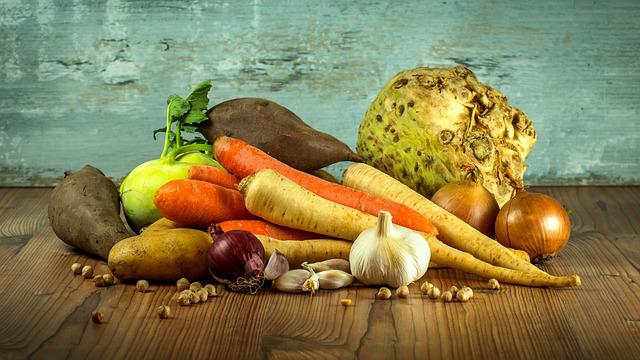 The best known innovation is the turn to plant-based foods. As is well known, per unit of protein, farming animals is very land intensive, particularly once we include the land needed to grow their feed—it’s more efficient to just eat the soya ourselves. Greenhouse gas emissions are much lower, and there’s no animal cruelty (seriously, look it up!).
Such farming is criticised by organic devotees: it’s monocultural, and still over-reliant on artificial fertilisers and pesticides, powerful drivers of ecological crisis. A ‘veganic’ system of farming developed at Tollhurst farm combines the best of both worlds. Using suitable crop rotations, organic vegetable farming can achieve yields comparable to intensive farming, and also restore soil health and biodiversity. But it’s unlikely we can meet all our food needs from organic production, particularly when it comes to grains, oils and proteins.
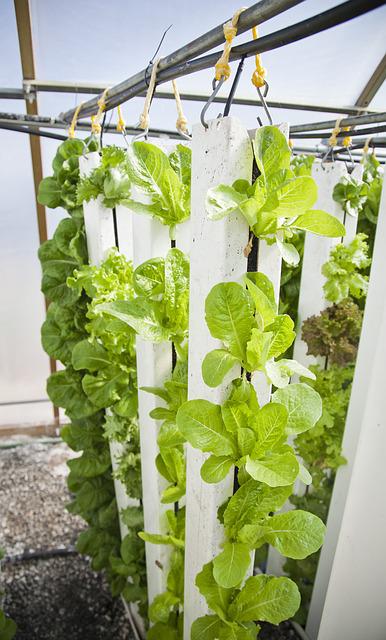
Enter the new food technologies. Vertical farming allows indoor production of vegetables, so far mostly leafy greens, using artificial light. It uses hardly any land, far less water, and zero pesticides. It is a clean, quiet industry that could help regenerate city centres. With technological development, it may be extendable to other vegetables and grains.
 Then there are the ‘farm free’ foods developed from bacteria in vats, which are going to be adaptable to an incredibly wide range of textures and flavours. This will allow production of authentic and innovative meat-like foods, at a tiny fraction of the land use even of soya production, as George Monbiot describes in his new book Regenesis.
Though apparently opposed in spirit, organic and hi-tech farming are actually complementary. As they separate food production from contingencies of soil and weather, these new technologies could be deployed anywhere, including directly in the communities they serve. This would mean fresher food, as well as allowing production to be easily tailored to local demand, thus reducing transport emissions and food waste. Currently around one third of global food production is wasted, at various stages in the process from farm to plate.
Stratford Climate Action is looking to ways we can combine such local food surpluses and opportunities for urban growing, with tackling food poverty. Supermarkets tend to over-order food, often because their market power allows them to negotiate deals where they do not have to pay for it until it sells. They then chuck it away at the end of the day. Instead, this food should be made the basis for local community kitchens, reducing waste, fighting poverty, and building local community all at once. Local food growing can do the same. Along with energy saving measures, these are key campaign areas we are currently working on.

