
By Andy Clough, Stratford’s Repair Cafe –
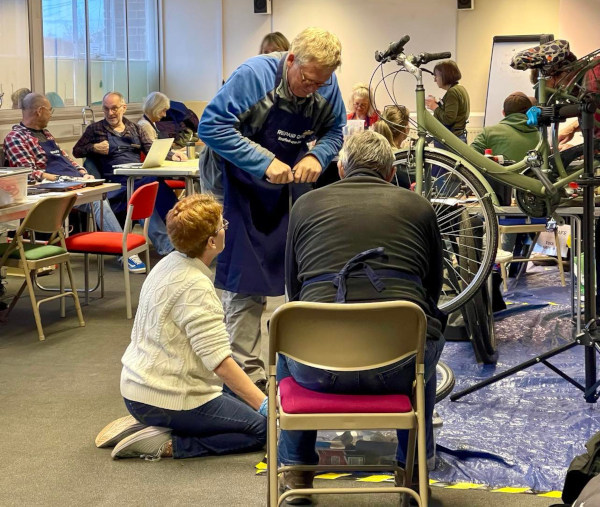 A friend told me about Stratford Repair Café about two years ago, so I went along to see if I could help with the repairs (I am considered the chief fixer within my extended family). When I saw the experts at work mending things I realised they were well out of my league so I suggested I could help out by giving talks on how to fix stuff that couldn’t be brought along to the Repair Café. There’s a lot that people can do for themselves, with a few tips and by learning some simple skills.
At this point I’d better explain how the Repair Café works. To reduce the amount of household items going to waste, you can get broken items repaired for free by local volunteers. You can get a coffee and cake whilst waiting, or sit with the repairer to learn about the repair process. You can give a donation for the repair and refreshments.
For my talk I start with ‘Keeping your home warm and energy saving ideas’. I’m a retired engineer so I’m able to explain the fundamentals behind what works and what doesn’t. I begin with the most cost-effective energy saving measures, such as replacing old light bulbs with LED types and eliminating draughts, and then move on to improving insulation for lofts, immersion tanks and windows. Finally, onto the longer-term payback items such as insulating external walls and updating heating controls. For wall insulation I discuss the merits of a more cost-effective internally applied method, developed with the help of a local plasterer. These examples are all from experience so figures for up-front cost and savings are fairly accurate.
Here are some example tips:
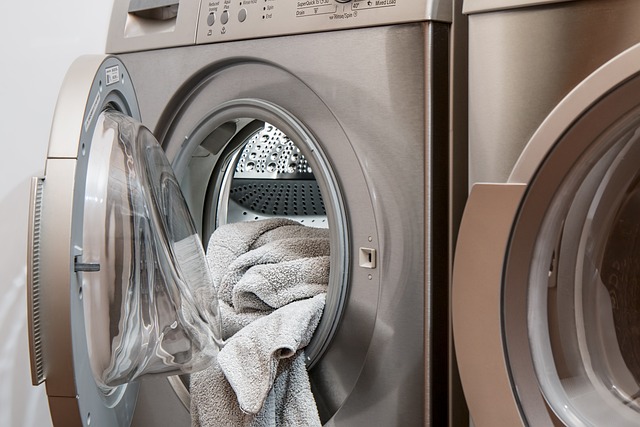 1. Run an extra spin cycle on your washing machine. This will remove more water and reduce both time and cost if you are currently using a tumble dryer.
2. Air dry your clothes outside when there is a threat of rain by putting a brolly over the clothes horse.
3. Double insulate your immersion tank with three layers of bubble foil or an extra tank jacket, remembering not to cover the electrics.
4. Use a lot less hot water and get cleaner by having a bath every two days, rather than a shower every day.
5. If you are updating your central heating boiler spend a bit more to get thermostatic radiator valves and upstairs/downstairs zone timer.
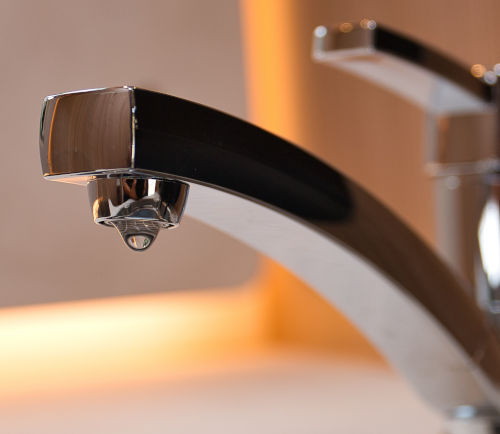 Last spring I found the warmer weather reduced interest in keeping warm, so introduced another fix it at home topic – ‘Fixing a leaky tap’.
Fixing demonstrations should be hands-on, so after the theory stuff (and how to isolate the water supply) I give everyone a tap to repair, along with spare parts and tools. We also have a look at making sure the right bits fit the tap by using accurate measurement. These are skills that anyone can learn, and they can save a lot of money (and water), especially if the only issue is replacing a 25p washer.
Last month a family brought their 8- and 10-year-old boys along, the lads immediately put away their electronic games and fixed the leaky taps in record time, using adjustable spanners and a vernier caliper.
The next Repair Café will be on Saturday 2nd November at Stratford Methodist Church, 10 am – 2 pm, and I will be returning to the ‘Keeping warm’ topic. There will also be several talks and drop-ins on energy saving in Net Zero Stratford’s climate hub on Meer Street over the coming month.
Even more energy-saving tips.

