
By Stephen Norrie
With yet another geopolitical crisis driving fossil fuel prices up, renewable installations could save you a bit of money. Indeed, this is true even ignoring likely price rises:
 Solar panels:
A solar installation today probably costs between £6,500 and £8,000. Assuming 30% self-consumption, a 25 p. per kWh price of electricity (let’s ignore impending rises just now) and a 12 p. export rate, that would pay for itself between 10 & 13 years. Panels will last for around 40 years, so the remainder of their lifetime will represent pure profit (you might have to replace the inverter for a few hundred pounds). If that sounds like a long time, experts now say the installation will add value to your home.
As the panels themselves are cheap, you might as well add as many as possible. With modern panels, even a north-facing installation will generate around 54% of a south-facing installation. The additional cost will likely be outweighed by the boost to payback, if you install at the same time as on your more favourably oriented roofs.
Home batteries:
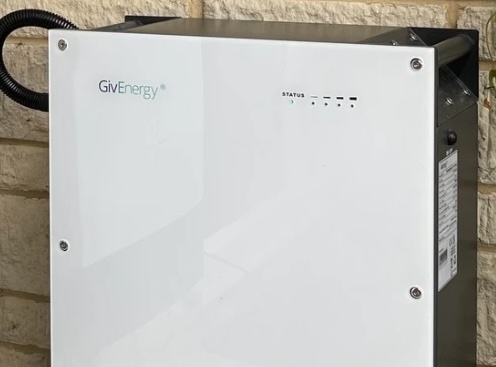 Adding a battery might add around £1,500 to your installation, but also increases self-consumption, slightly improving payback. But batteries also allow access to cheaper night-time electricity. The UK company Fogstar sell a battery that gives you 15.5 kWh of useable capacity for £2,000 – it’d probably be £3,000 for the total installation. If your daily use is e.g. 12 kWh, then changing from a standard 25 p rate, to a tariff with a 14 p overnight rate would reduce your annual electricity costs by £482, meaning it’d pay for itself in 6.2 years.
Electric vehicles:
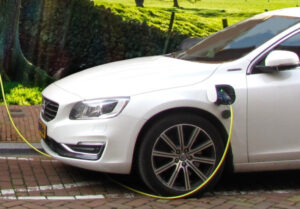 On certain parts of the second-hand market, EVs are now cheaper to buy. If you’re looking for a car that’s only a few years old, with less than 20,000 miles on the clock, and costing £13,000 – £20,000, your options will likely be dominated by EVs, including MG4s, Teslas or Polestars.
They can also be much cheaper to run, if you take advantage of a tariff like Octopus’ Intelligent Go, which offers an overnight rate of 8 p. per kWh. A Polestar 2 has a 69 kWh battery and probably does on average around 240 miles on a full charge, working out at 2.16 p per mile. If like us you drive around 6,000 miles a year, that’ll cost you £130. In our Toyota Auris hybrid, we pay £50 (now much more!) for around 440 miles: 11.36 p per mile, and £682 for the year. The EV saves £552 a year. Even with government plans to tax EV users 3 p. per mile from 2028, and with EV insurance costing around £50 extra, savings are still £322 a year.
However, on the Intelligent Go tariff, electricity costs over 30 p per kWh in the day. If you can afford home batteries to charge at night and cover daily use, you’ll save on home electricity too – an extra £766.50 a year, if you use 12 kWh a day. But if you can’t, your EV savings might vanish. And if you’re running a heat pump, you’ll use 40 kWh or more on the coldest winter days, so you’ll need a few of those Fogstars before you’re covered. However, even on the Octopus Cosy heat pump tariff, which offers additional off-peak periods during the day at around 14 p. per kWh, the Polestar would save us over £200 a year.
Heat pumps:
 Heat pumps use electricity, which is much more expensive than gas, so if they aren’t properly installed and set up, your costs could skyrocket. However, if they are, they should be over 350% more efficient than gas boilers, which makes them competitive. Even so, you’ll still want to be on the Octopus Cosy tariff. Batteries (and smart plugs) help max your usage on this tariff: 10 kWh of batteries has reduced our winter bill to £361.52, down from £735.16 last year (with our admittedly old and inefficient boiler).
In short, if you have a bit of money, renewables offer ways to reduce costs, particularly once you’re using home batteries. If you’d like to discuss further, why not drop by the Net Zero Climate Hub, at 30 Meer Street, on a Thurday morning?
First published in the Stratford Herald.
