
By Jenny Loynds.
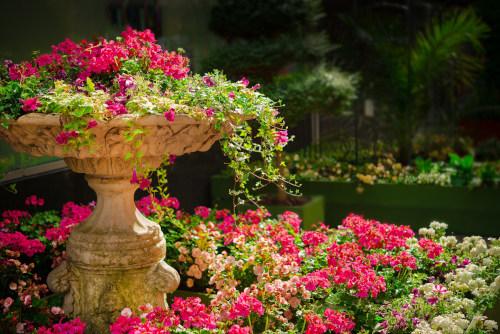 It’s March, that time of year when gardens start to come alive again after the winter months, and the garden jobs start to mount up. However, a recent study by Sussex University should give us pause for thought and encourage us to change some of the ways in which we manage our garden spaces.
The study, published last month in the journal Science of the Total Environment, was conducted amongst gardeners who report weekly garden bird sightings as part of the British Trust for Ornithology’s Garden Birdwatch survey, which has been running since 1995. Of those who took part, 32% used chemicals (weedkillers, slug pellets, insecticides) on their gardens. These responders saw a decrease in bird species richness and the overall abundance of birds compared to those who did not use these chemicals. Particularly striking was the reduction in house sparrow sightings, which, though once abundant, is now on the Red List for conservation as numbers have declined by 70% since the 1970’s. This study is the first time that a clear link has been made between pesticide use and bird populations.
Garden chemicals can harm birds in two ways – directly, where birds ingest the poison from affected plants or have exposure on the skin through preening, and indirectly due to a reduction in food sources such as insect prey or weed seeds. Birds are part of a complex food web in our gardens, and the use of chemicals upsets the balance of these habitats. This study shows the importance of wildlife friendly gardening in supporting bird populations, even in urban gardens. Dr Dave Goulson, one of the authors of the report, said “UK gardens could collectively be a fantastic refuge for wildlife, but not if they are overly tidy and sprayed with poisons. We just don’t need pesticides in our gardens”.
And when we talk about chemicals, we don’t just mean the kinds that are sprayed on our beds and borders. Our lawns, so often the pride and joy of a garden, would be a much more species rich habitat if we stopped applying chemical lawn feed, herbicides and pesticides.
So, what’s the alternative? Luckily there are plenty of sources of advice for chemical free gardening. The RSPB recommends organic methods of pest control such as natural predation, hand picking, water spraying and companion planting. The Royal Horticultural Society and the Soil Association also have lots of useful advice.
There are also lots of ways you can boost the habitat in your garden to help birds and other wildlife. Make sure there are plenty of food sources, available shelter, and nesting spots. Plant a variety of trees, shrubs, and flowers to encourage the widest variety of species, and if you can, leave some areas of your garden to grow long and leave any fallen branches or dead trunks undisturbed.
A word of caution, though. If you decide to ditch the chemicals and have some unused containers that you want to dispose of, these cannot be put into our general waste or poured down the drain. The disposal of chemicals, including garden weedkillers and pesticides, is strictly controlled, and can only be done at local authority recycling centres. Contact your local authority to find out which recycling centres near you will accept chemicals.
We know that nature is in crisis and wildlife needs as much help as we can give. Changing how we garden, by ditching pesticides and weedkillers and boosting our garden habitats, can create spaces where birds, bees, insects, and mammals thrive while still allowing us to enjoy a beautiful garden. Bring on the spring!
This article was first published in the Stratford Herald, where we have a monthly column.


