 By Jenny Loynds,
In September, the latest State of Nature Report was published, the most comprehensive report on the UK’s current biodiversity ever released. It follows similar reports in 2013, 2016 and 2019 and draws on a vast set of data collected by thousands of volunteers tracking the abundance and distribution of our plants, insects, reptiles, birds, and mammals across the UK.
The findings of the latest Report are stark. Wildlife in the UK continues to decline, with a fall of 19% in the abundance of species studied since 1970. The distribution of flowering plant species studied has declined by 54%, with a further 16% of all species studied threatened with extinction. And in our coastal areas, the abundance of 13 species of seabirds has fallen by 24% since as recently as 1986.
The Report makes clear that the main causes of these declines are well understood. Changes in the way we manage our land for farming and climate change are the main causes inland, and around our coasts unsustainable fishing, climate change and marine development have been the biggest factors. The UK has set ambitious targets for restoring nature as part of the Global Biodiversity Framework, but far more action and investment are needed to make those targets achievable.
 However, the Report also highlights how conservation action can have a positive impact on many species and habitats. There is growing public support for the need to protect and enhance nature through large scale restoration projects but also smaller scale, more local efforts. The People’s Plan for Nature published earlier this year is a great example of people coming together to set out a plan to restore nature across the UK. And at a local level, Local Nature Action Plans are being created by town and Parish Councils around the country. South Gloucestershire Council has produced guidelines to help other Councils create and implement local plans to restore nature, with projects like tree planting, grassland management, creating wildflower meadows and installing bird boxes.
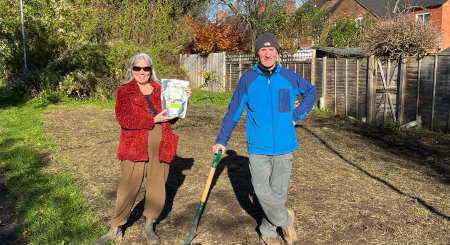
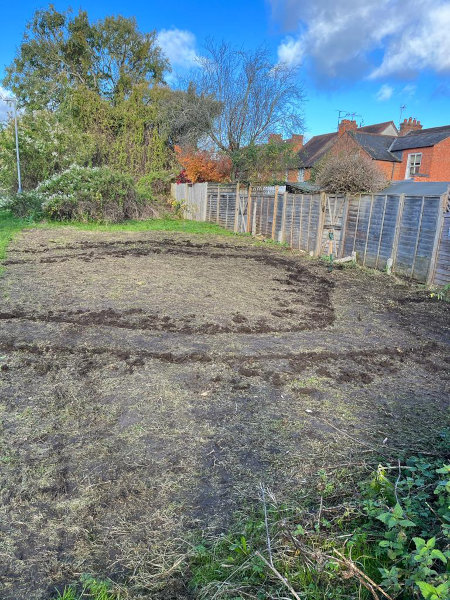
Here in Stratford, we are working with Stratford Town Council to create a Local Nature Action Plan for the town. In the meantime, a new group has been created, Stratford Wildlife Friends, formed by the people who successfully ran the Big Weekend of Swifts as part of Great Big Green Week this year. Our aim is to identify opportunities to enhance wildlife around the town, and through a team of volunteers carry out the work needed to make it happen. Our first project, along Summerton Way behind Albany Road, has already started with a work party recently raking off grass cuttings, making habitat piles and preparing the ground for seeding with native wildflower seeds. In future we hope to plant some native trees and shrubs and run educational events for local schools and community groups there.
If you would like to join Stratford Wildlife Friends, contact us at stratfordwildlifefriends@gmail.com. Volunteering is a great way to meet new people, spending time in nature has been proved to help with our physical and mental health, and helping to restore nature and boost biodiversity through local action feels empowering in the face of the climate and ecological crisis. A greener Stratford can be created if we pull together!
This article first appeared in the Stratford Herald, where we have a monthly column.

