 By Manuela Perteghella, MP for Stratford on Avon
This the fourth article in a series that was designed to respond to 2025 being the UK’s hottest year, but only last week the MET office declared this summer the hottest on record. A response to this will depend in large part on political will, so this contribution from Manuela Perteghella MP, is particularly timely.
Imagine swathes of parched land, wildfires — our very own present-day dragons — burning more than 23,000 hectares, forcing evacuations, destroying homes and damaging wildlife habitats. Then imagine people dying of heat related complications, harvest failing, schools and hospitals too hot to function. No, it’s not the set for one of the Mad Max films, it is Britain in the Summer of 2026. July 2026 became the driest on record in England and Wales. By mid-August 2026, the UK had endured five heatwaves, with an estimate of heat-related deaths of 2,877.
Climate change is a present reality, and we are now living in the era of climate breakdown. The challenge is how we respond to it, how we now adapt and mitigate.
The UK is obliged under the Climate Change Act 2008 to assess and respond to climate-related risks through government’s risk assessments and adaptation plans. The latest Climate Change Risk Assessment, published in 2022, outlined the major threats facing the UK, with the next assessment is due in 2027.
The Government’s current adaptation strategy, called the Third National Adaptation Programme, published in 2023, sets out actions from 2023 to 2028, with a follow-up programme scheduled for 2028. However, the independent watchdog, the Climate Change Committee, has warned that current efforts fall short of preparing the UK for the impacts of climate change and called for climate adaptation to be embedded across all government departments.
 The Climate Change Committee in its report on adapting to the impact of global heating, also recommended that air conditioning should be installed in all care homes and hospitals within the next 10 years, and in all schools within 25 years, and to set maximum temperatures for working.
As a local MP, my immediate priority is ensuring that our communities here in Stratford-on-Avon are prepared for the challenges extreme weather brings. This means working with stakeholders, including businesses, employers and local authorities, to make our towns and villages become more resilient, protecting residents during periods of intense heat, and ensuring that local infrastructure can cope with the conditions we are now facing.
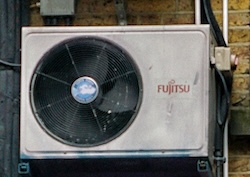 We need to ensure that our homes, schools, hospitals, places of work, and transport infrastructure are designed to withstand more extreme weather and mitigate against urban heat island effect. Nature itself can help us. Habitat restoration, tree planting, wetlands and green spaces help absorb carbon, reduce flooding, cool built-up areas and support biodiversity. By so doing, we can also create spaces that improve people’s quality of life, including access to nature. Considering extreme weather (heatwaves followed by storms and flooding) we must also ensure that our farmers have the resources to safeguard food production and security.
As a member of the Environmental Audit Committee, I have the opportunity to scrutinise the Government’s environmental policies and to help ensure that climate commitments are matched by real action. The Government must do better and implement the Climate Change Committee’s recommendations. It must accelerate the shift to clean energy while ensuring the transition is fair and affordable. People need to see the benefits in their daily lives, whether through lower bills and homes fit for future heatwaves, cleaner air, greener communities, better public transport, or new employment, training and skills opportunities.
The decisions we make today will shape the communities that future generations, our children and our grandchildren will inherit, and we have a responsibility to ensure those decisions are ambitious, fair, and forward-looking.
Originally published in the Stratford Herald.


